
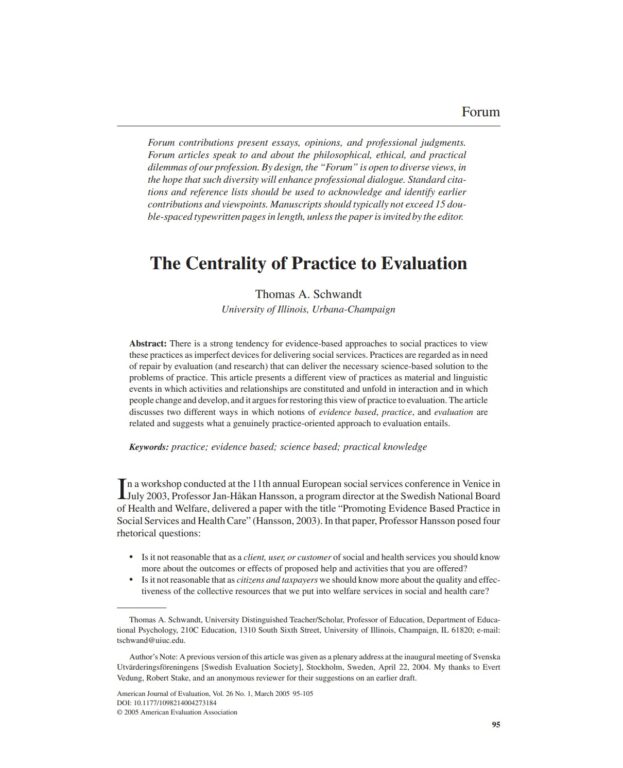
The Centrality of Practice to Evaluation
Description
This article was recommended by Dr. Joan LaFrance to supplement the Indigenous Evaluation Training Series.
Filename:
5ef26d2f57587f23d74966a4_Schwandt-Centrality-of-Practice-to-Evaluation.pdf
File Type:
pdf
File Size:
95 KB
Categories:
Resource
Resource year :
2005
Author :
External
7D co-authors :
link-to :
https://cdn.prod.website-files.com/5d68735d677c2aa989f0317b/5ef26d2f57587f23d74966a4_Schwandt%20-%20Centrality%20of%20Practice%20to%20Evaluation.pdf
Reference :
7D Co-Authors :
Link to Resource :
https://cdn.prod.website-files.com/5d68735d677c2aa989f0317b/5ef26d2f57587f23d74966a4_Schwandt%20-%20Centrality%20of%20Practice%20to%20Evaluation.pdf
avada_post_views_count :
373
avada_today_post_views_count :
1
avada_post_views_count_today_date :
20-10-2026
Details
Published By:
External
Category:
Indigenous Evaluation
Type:
Article
Link to Resource:

About Our Practice
The Seven Sacred Directions
Seven Directions was born from a desire to create greater connectivity across the many tribes, communities and organizations that have the health and wellness of American Indian and Alaska Native people at the heart of what they do. We are guided by the “seven directions” of practice: Integration & Holistic Wellness, Culture & Identity, Families & Communities, Respect for Sovereignty, Service, Indigenous Knowledge, and Tribal Governance.
The Seven Sacred Directions serve as an indigenous framework for presenting the strategic directions for the public health agenda.
